
How Often Does Your Car Really Need Auto Repairs in Salt Lake City?
Finding a car repair shop you trust shouldn't mean waiting for a dashboard warning light first. At J-Mac Complete Car Care, the right service interval depends on your vehicle's age, mileage, and how you drive it day to day. Here's how to build a maintenance rhythm that keeps auto repairs in Salt Lake City small and your car dependable year-round.
How Often Should You Bring Your Car in for Service?
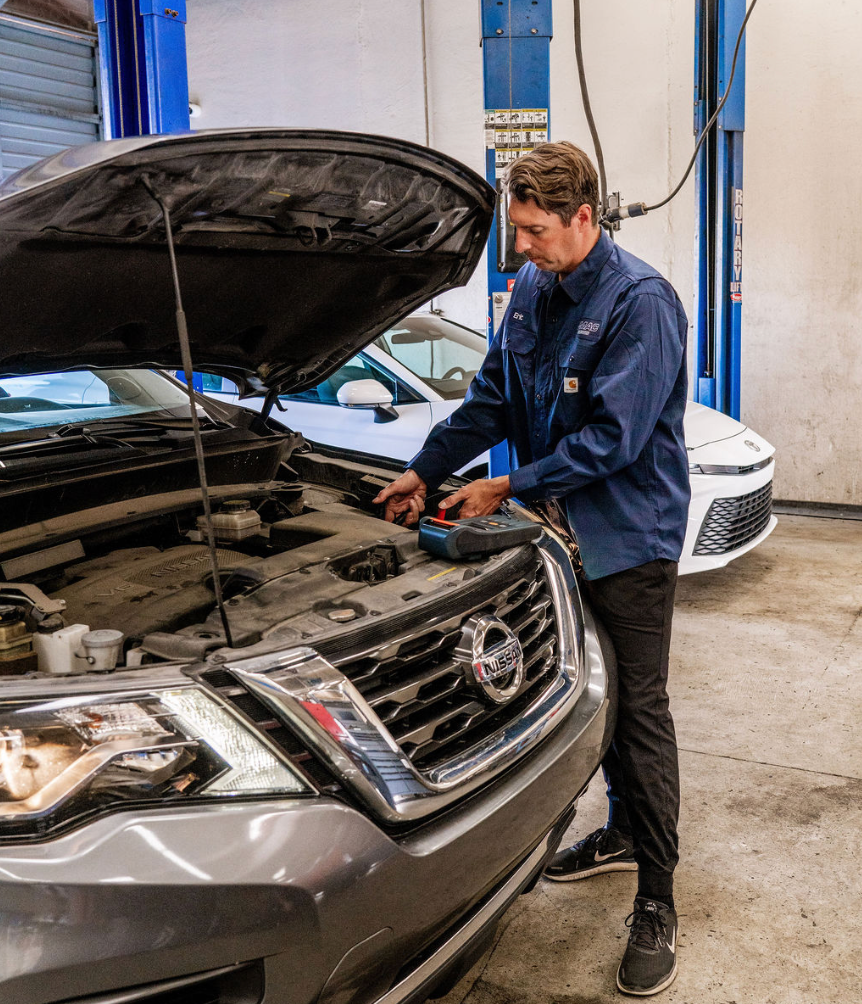
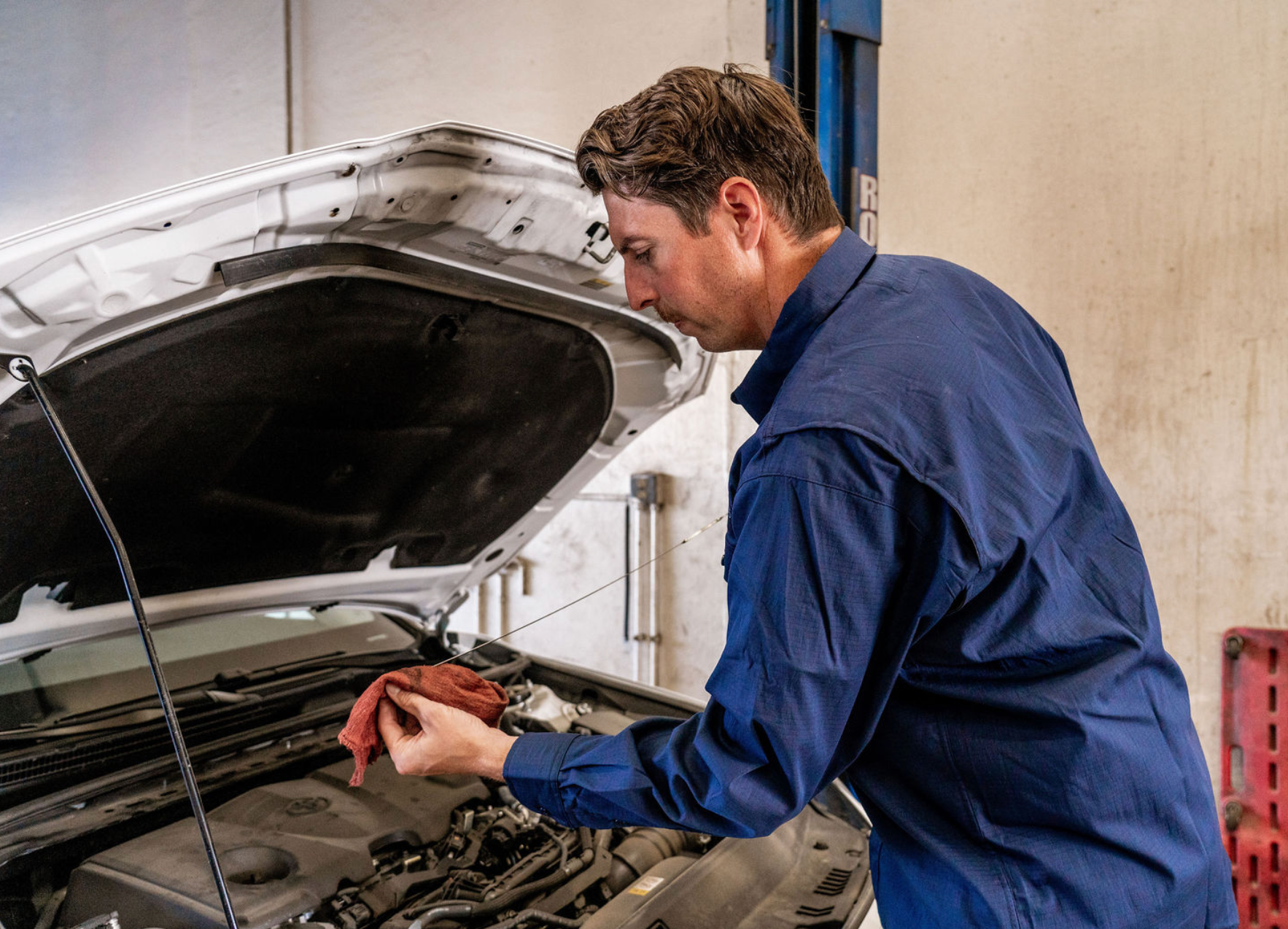
Many vehicles benefit from a full inspection every 5,000 to 7,500 miles, which lines up closely with a typical oil change interval. Your owner's manual sets the exact schedule for your vehicle. At J-Mac Complete Car Care, every auto service and repair visit includes a free digital inspection, so filters, fluids, and belts get checked even during a routine stop, not just when something feels wrong. Spark plugs generally last between 30,000 and 100,000 miles depending on the type installed, while cabin and engine air filters typically need replacement every 15,000 to 30,000 miles. Fuel filters vary more by vehicle, often falling somewhere between 30,000 and 60,000 miles.
As a third-generation, family-owned shop serving the Salt Lake Valley since 1972, J-Mac Complete Car Care has built these recommendations on decades of hands-on experience with local driving conditions, from summer heat to winter cold.
Why Some Vehicles Need More Frequent Attention
Higher mileage, older engines, and stop-and-go driving all shorten the safe gap between visits. Staying ahead of these intervals also makes financial sense. Based on AAA's annual Your Driving Costs study, AAA suggests setting aside around $100 a month for maintenance and repairs, and more if you drive above-average distances or own an older vehicle. Routine visits are almost always the cheaper side of that budget compared to letting small issues turn into major repairs.
High-Mileage or Older Vehicles
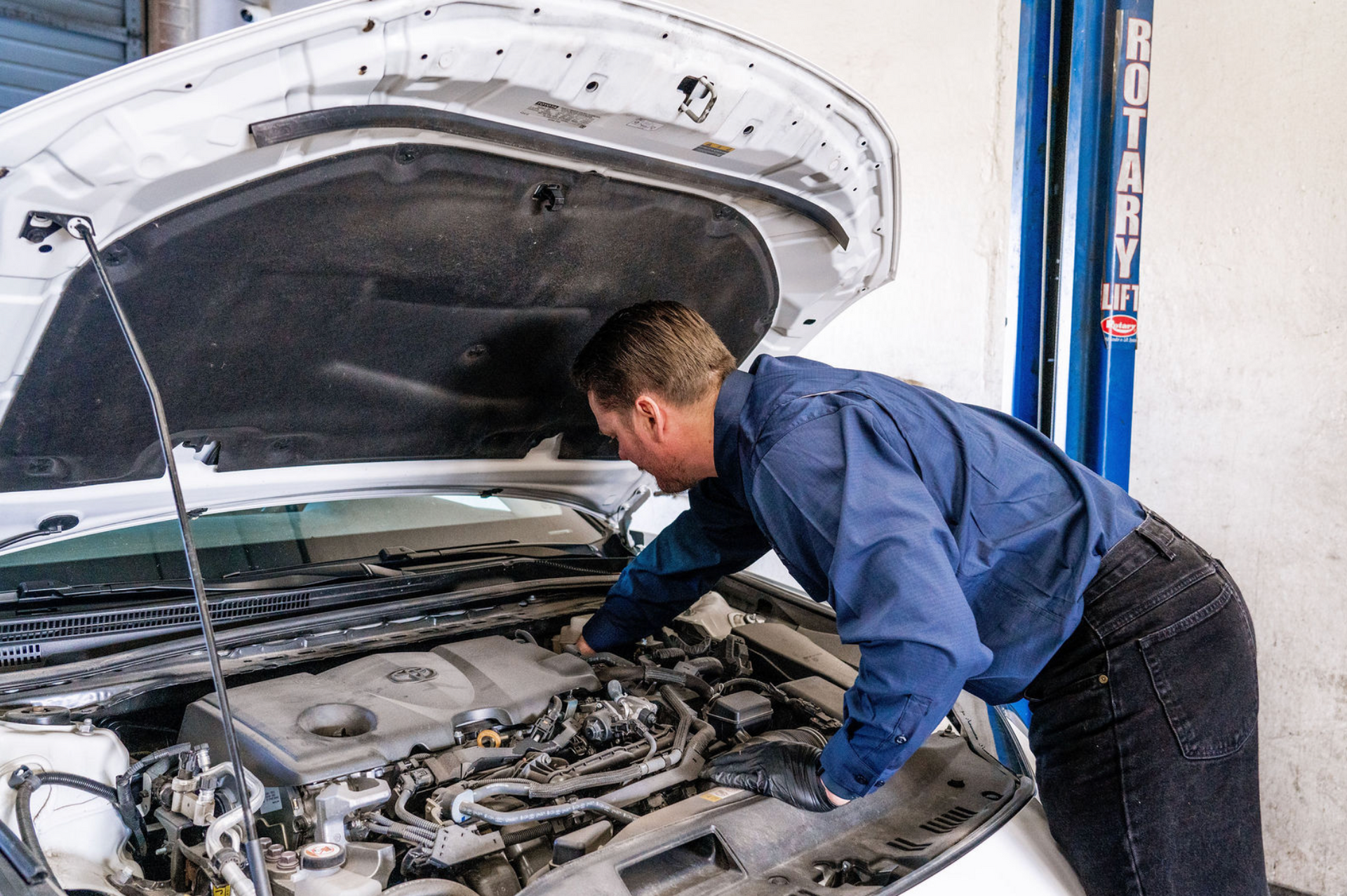
Vehicles past 100,000 miles tend to develop small leaks, worn belts, and aging hoses faster than newer models. Catching these early, with photos and videos from the digital inspection sent to your phone, keeps a minor fix from becoming a tow.
Vehicles Used for Towing or Frequent Commuting
Daily highway commutes or regular towing add heat and load that standard maintenance schedules don't always account for. These drivers usually do better checking in closer to the 5,000-mile mark than the 7,500-mile mark.
What Happens If You Skip Routine Service?
Small worn parts turn into larger failures when they're left unchecked. A clogged cabin filter that goes unnoticed can strain a blower motor; a fuel filter left too long can affect engine performance and fuel economy. Staying on schedule with auto repair in Salt Lake City through preventive tune-ups is almost always cheaper than waiting for a breakdown.
Frequently Asked Questions
How often should I get my car serviced?
Many vehicles need a full inspection every 5,000 to 7,500 miles, timed with a typical oil change. Higher-mileage or heavily driven vehicles often do better on the shorter end of that range.
How do I know if my car is overdue for service?
Common signs include rough idling, reduced fuel economy, hard starts, or warning lights. If it's been longer than 7,500 miles since your last visit, an inspection is worth scheduling even without obvious symptoms.
Do spark plugs need to be replaced on a schedule?
Yes. Spark plugs typically last between 30,000 and 100,000 miles depending on the type installed. Worn plugs can cause misfires, rough running, and lower fuel efficiency.
How often should air filters be changed?
Engine and cabin air filters generally need replacement every 15,000 to 30,000 miles. A clogged cabin filter can strain the blower motor if it's left too long.
Does towing or commuting change how often I need service?
Yes. Frequent towing or daily highway commuting adds extra heat and load, so these vehicles usually benefit from checking in closer to the 5,000-mile mark rather than 7,500.
What happens if I skip a scheduled service visit?
Small issues tend to compound. A minor filter or fluid problem left unchecked can turn into a larger repair, which is why routine inspections are typically more affordable than reactive fixes.
Schedule Your Next Service
A quick inspection now can save a much bigger repair bill later. If it's been a while since your last visit, schedule a service appointment with our reliable mechanics at (801) 843-6295 or Jmaccarcareslc@gmail.com and get a clear, photo-backed picture of what your vehicle actually needs.